LIVE CELL TRANSPORTATION
ABOUT LIVE CELL TRANSPORTATION
01
READY TO USE
transportation method
A method to transport mesenchymal stem cells, iPS cells, ES cells, etc. in a “ready to use” state without freezing (room temperature or culture temperature range).
02
Reduction of various costs, etc.
In contrast to frozen transportation, this approach minimizes the risks associated with cell loss, including cold shock, delays before usage, as well as human and drug-related expenses.
03
Increased demand as a new transportation method
As the regenerative medicine sector progresses, live cell transportation—economical and superior in preserving cell quality—will witness rising demand, emerging as an additional transportation method alongside traditional frozen transport.
CONCEPT

Cost reduction

Temperature retention

Transportable with open system containers
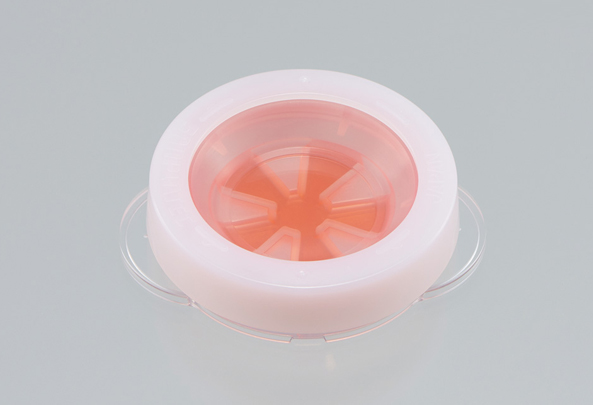

Vibration resistance is realized by container structure
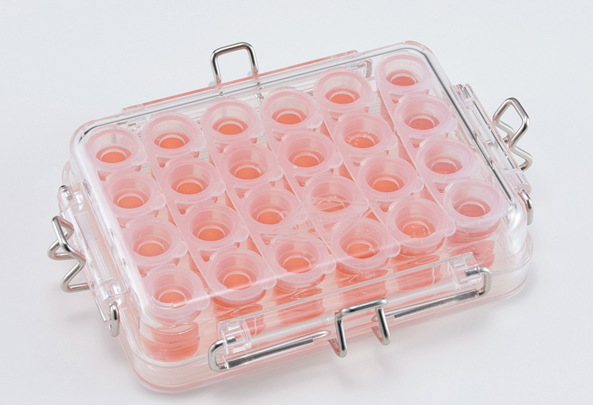

Stable transportation of 3D-structured cells
MATERIAL COMPOSITION FOR LIVE CELL TRANSPORTATION
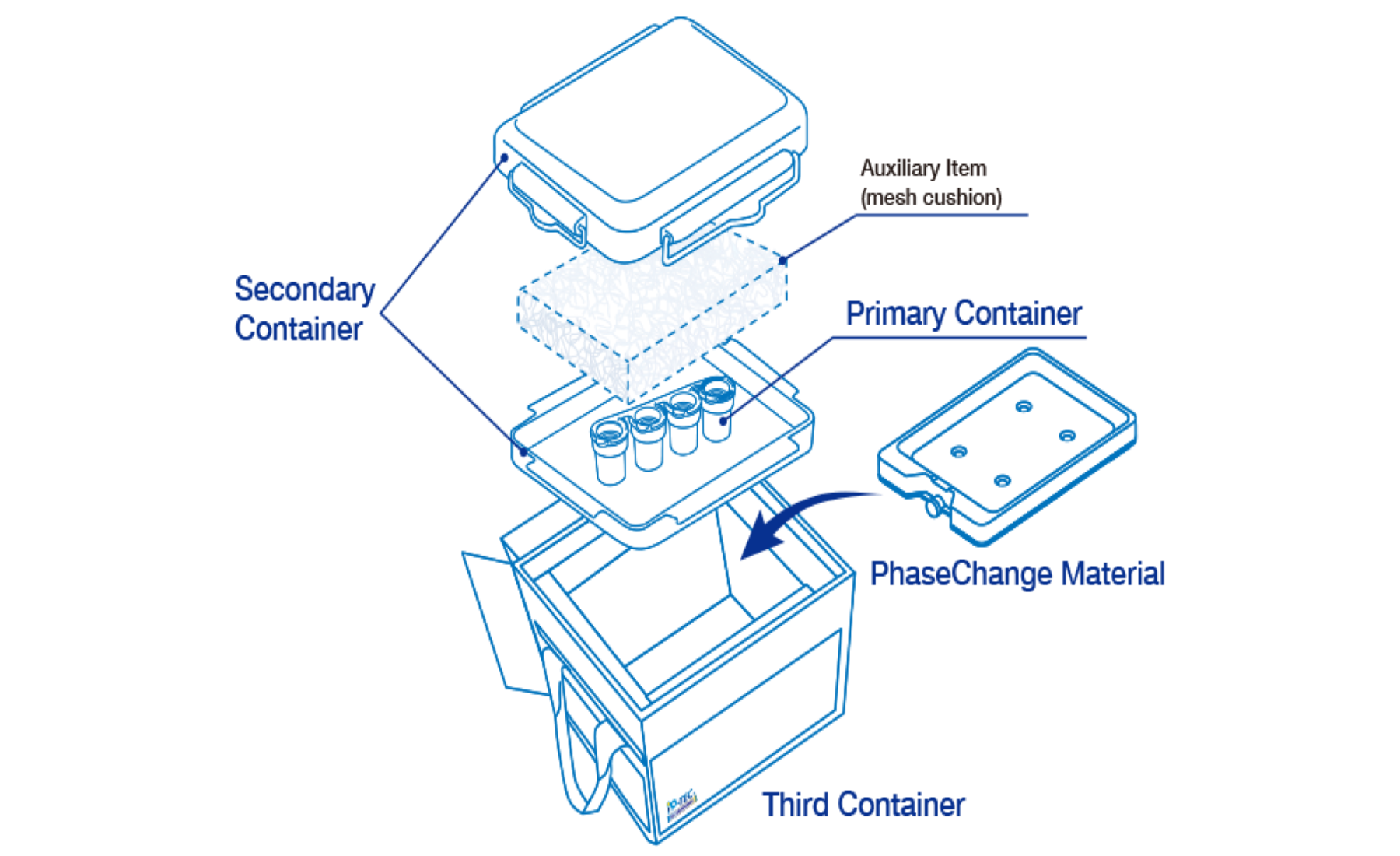
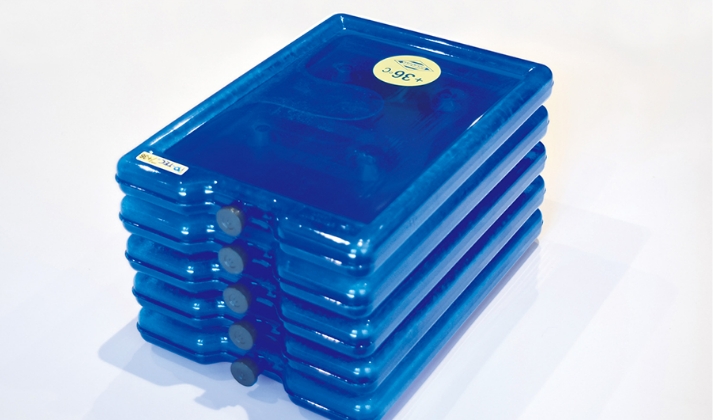
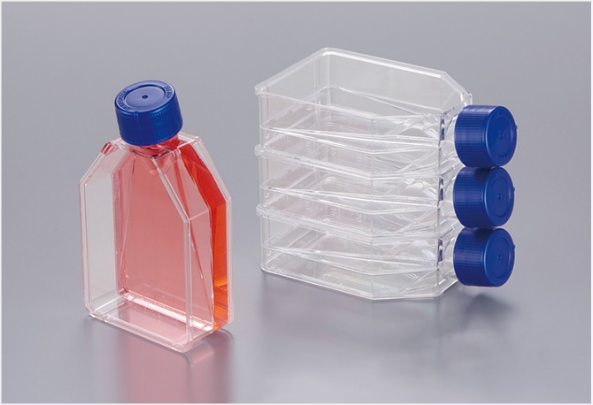
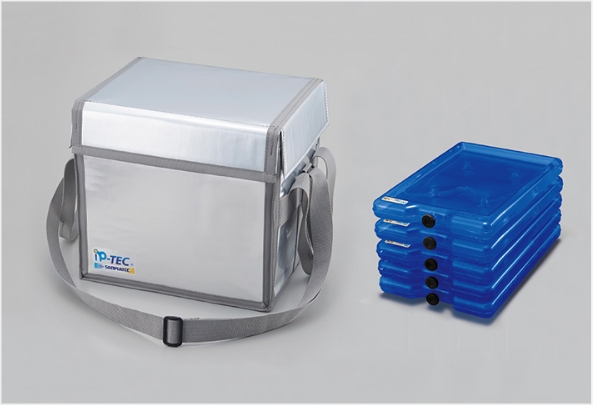
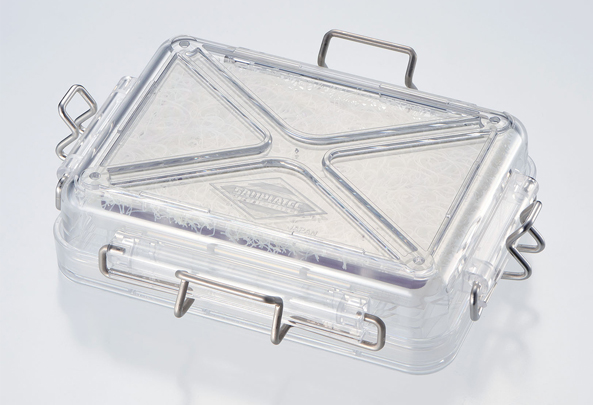
Live cell transportation relies on a fundamental material composition comprising a primary container, a secondary container, a tertiary container, and a phase change material.
- -Primary container:
- Culture medium and cells are contained. A leak-proof seal is required, even during transportation.
- -Secondary container:
- A container that holds the primary container and also serves to prevent leakage to the outside in the event of a leakage of liquid from the primary container.
- -Tertiary container
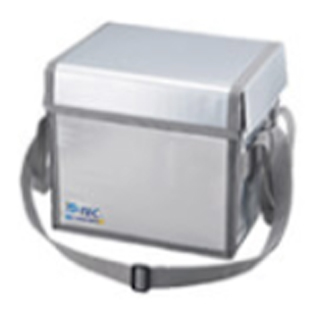
- A box that is required to be insulated from external temperatures and to maintain the internal temperature.
- -phase change material
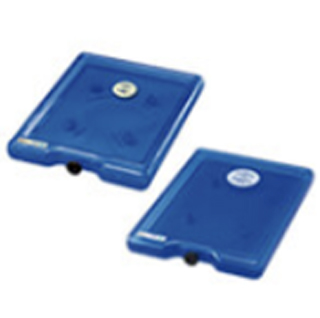
- A heat source made of a special material that takes advantage of the heat retention performance during solid-liquid phase change. Temperature control is required when in use.
The type of primary container is selected based on the cell morphology and other factors. The secondary container is selected based on the primary container type and the necessity of CO2 gas. The temperature range of the phase change material temperature range is selected according to the cell type and transport objectives. Meanwhile, the tertiary container type and quantity of phase change material are selected in accordance with transportation distance (duration) and outside temperature during transit.
LIVE CELL TRANSPORT TEST
OUTLINE
Cell test conditions
Cell transport
Transport temperature range
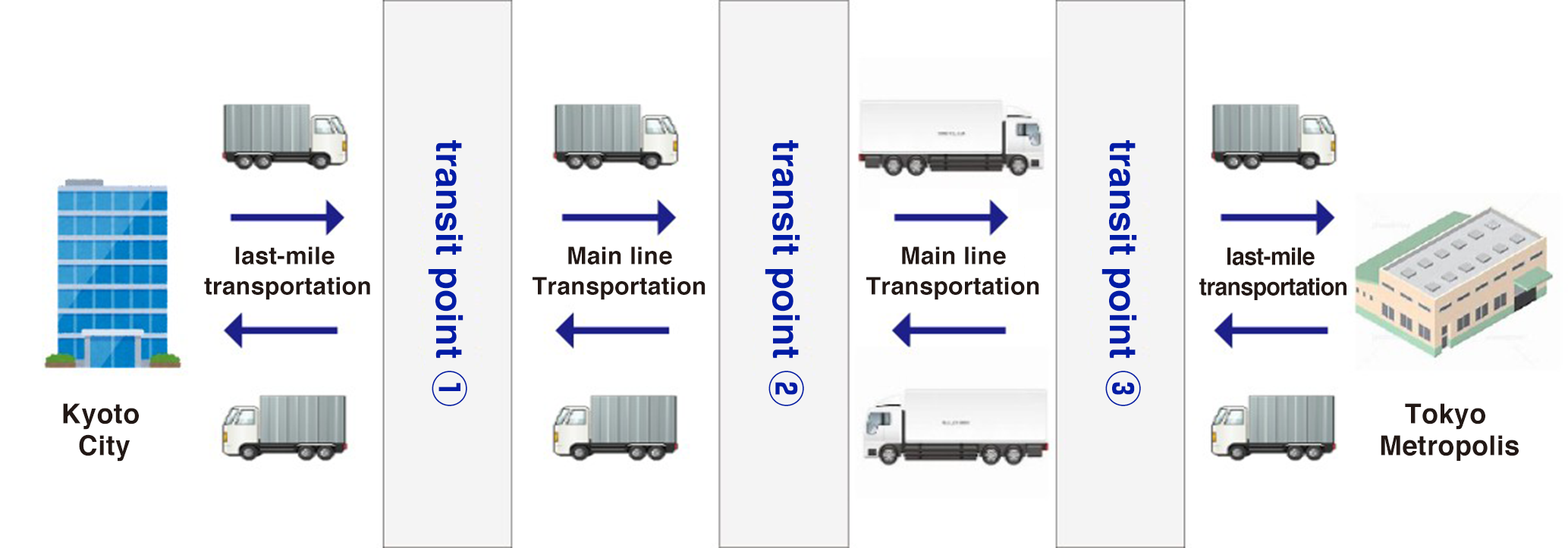
Transportation
Means of transportation
Land transport and consolidation
(multiple transfers)
* Round-trip between Kyoto and Tokyo
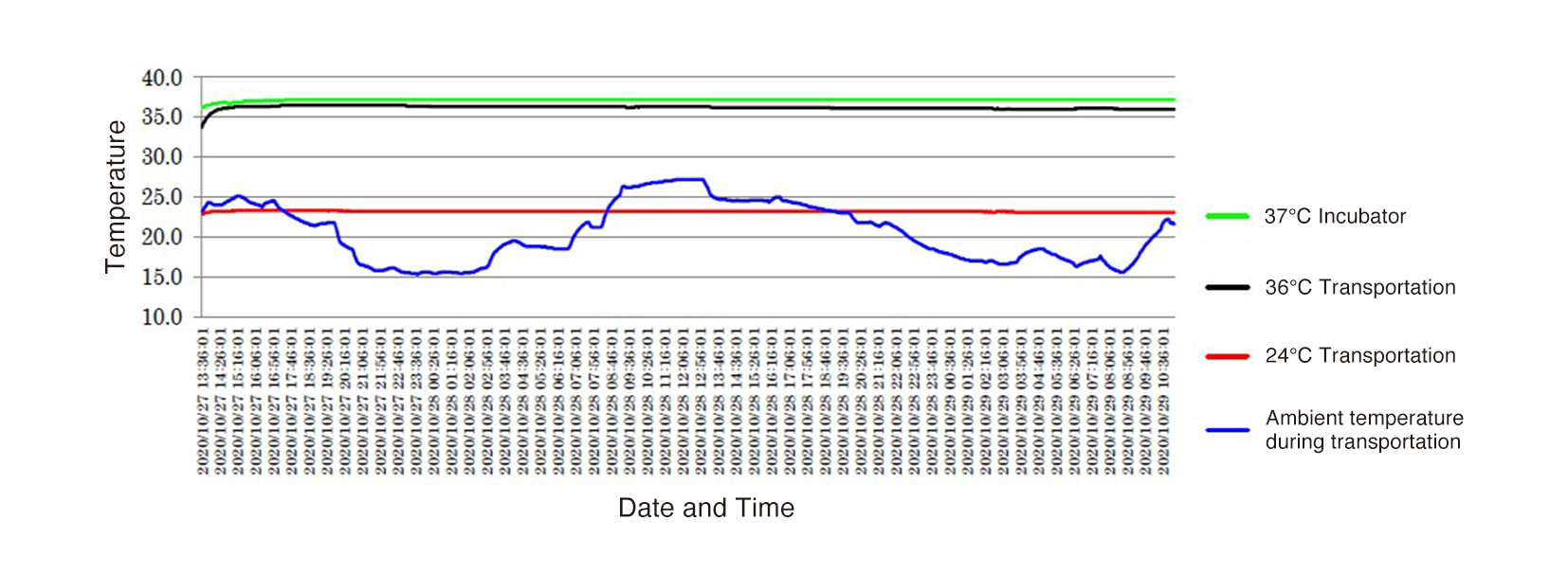
- 24℃ is the same condition as CPC and medical field
- 36℃ is almost the same temperature as in cell culture (37℃)
- Usually about 24 hours, but 48 hours assuming long distance.
Analysis items
Cell counts before and after transport, cell survival counts, gene expression levels, immunostaining
Materials used
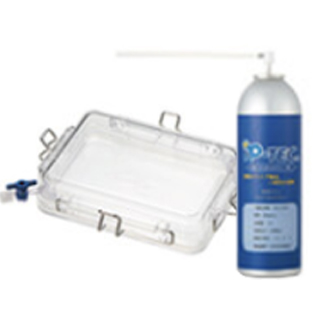
Primary container
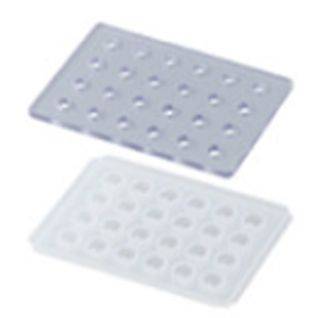
Secondary container
Tertiary container
Phase change material
Transportation route
RESULT
Temperature change over time
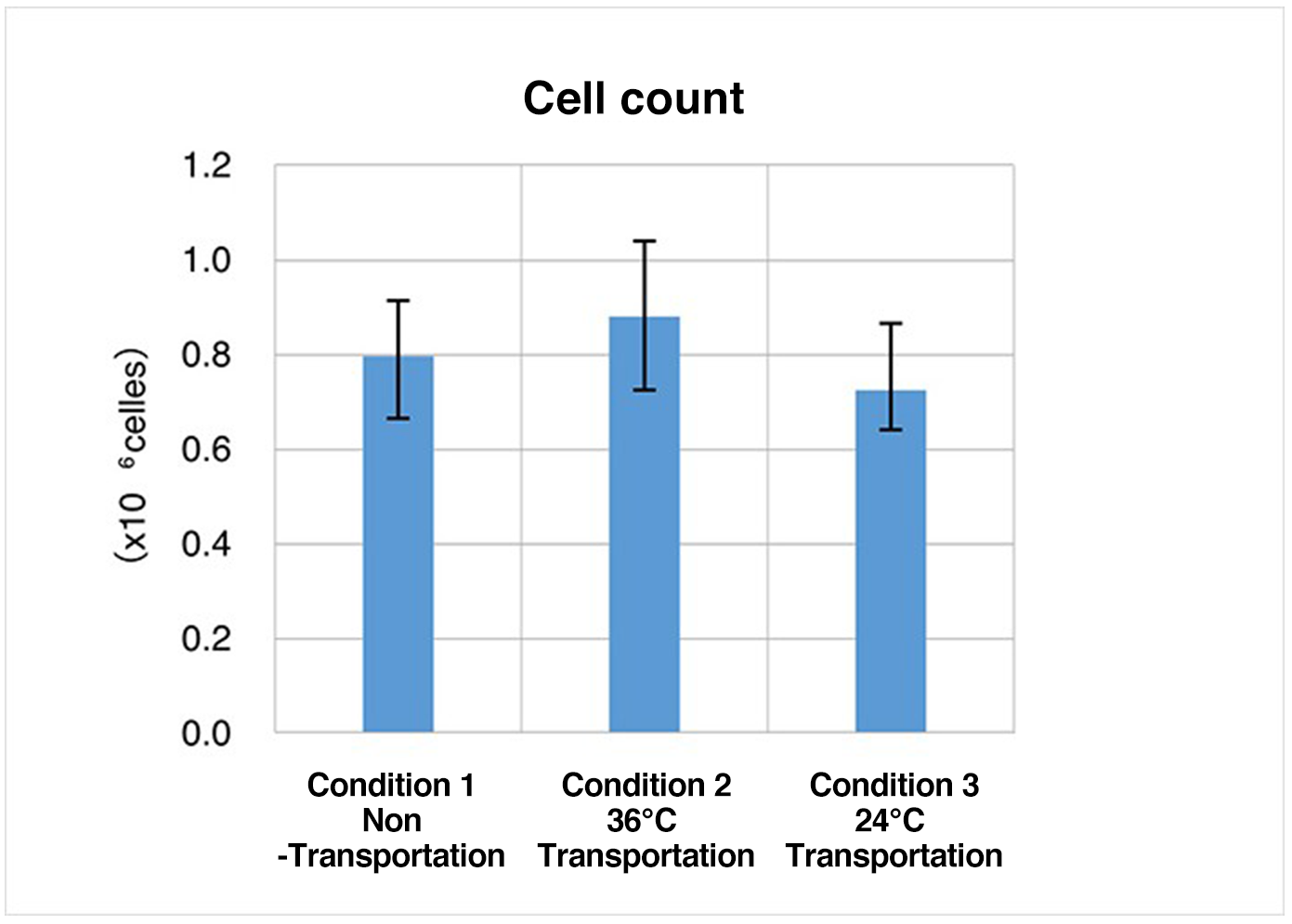
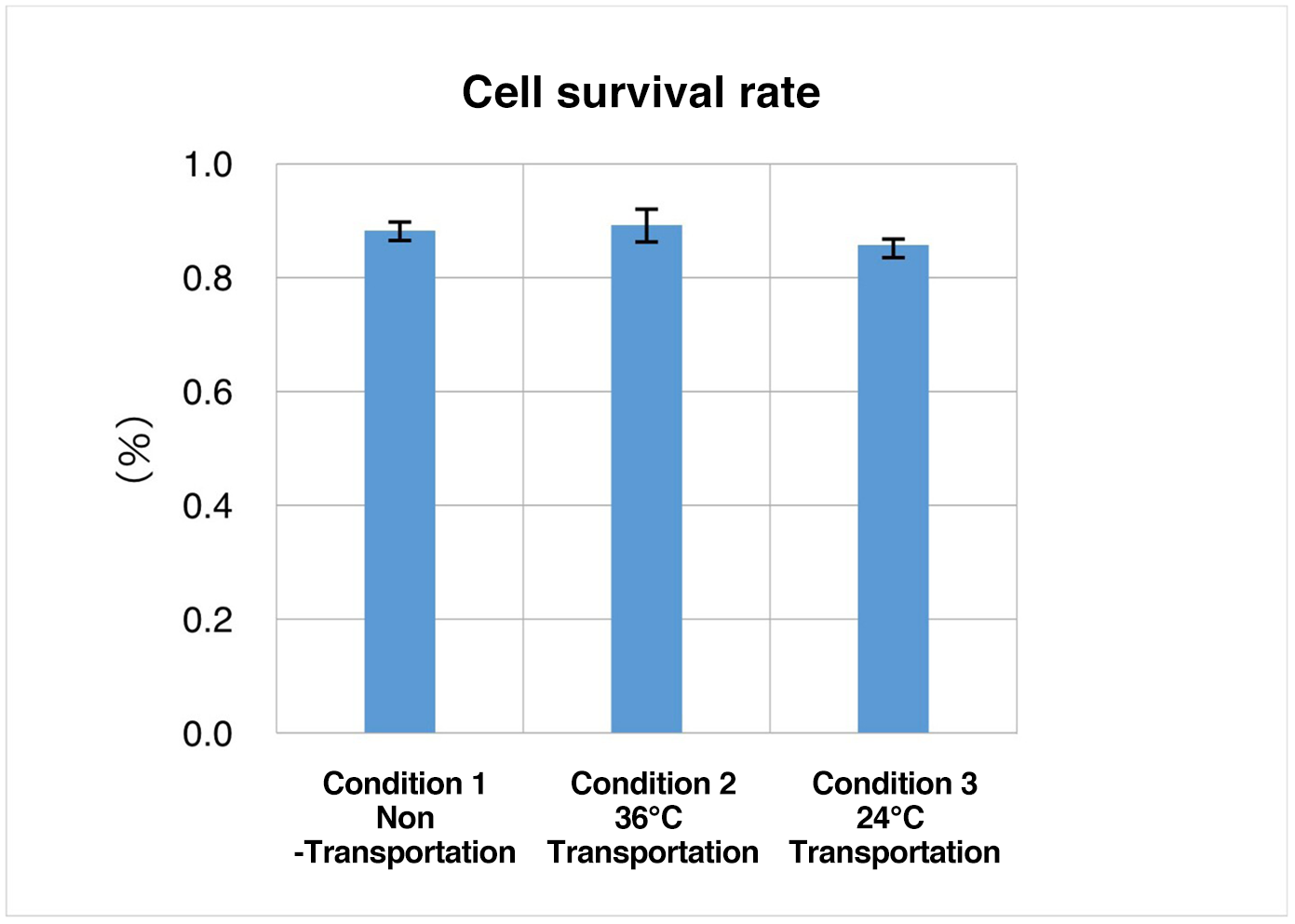
Change in cell count and viability before and after transportation
LIVE CELL TRANSPORTATION
① Transport of therapeutic cells for immediate patient use
② Transport of therapeutic cells unsuitable for freezing
③ Transport of whole blood as raw material for therapeutic cells
Image of the external process in regenerative medicine
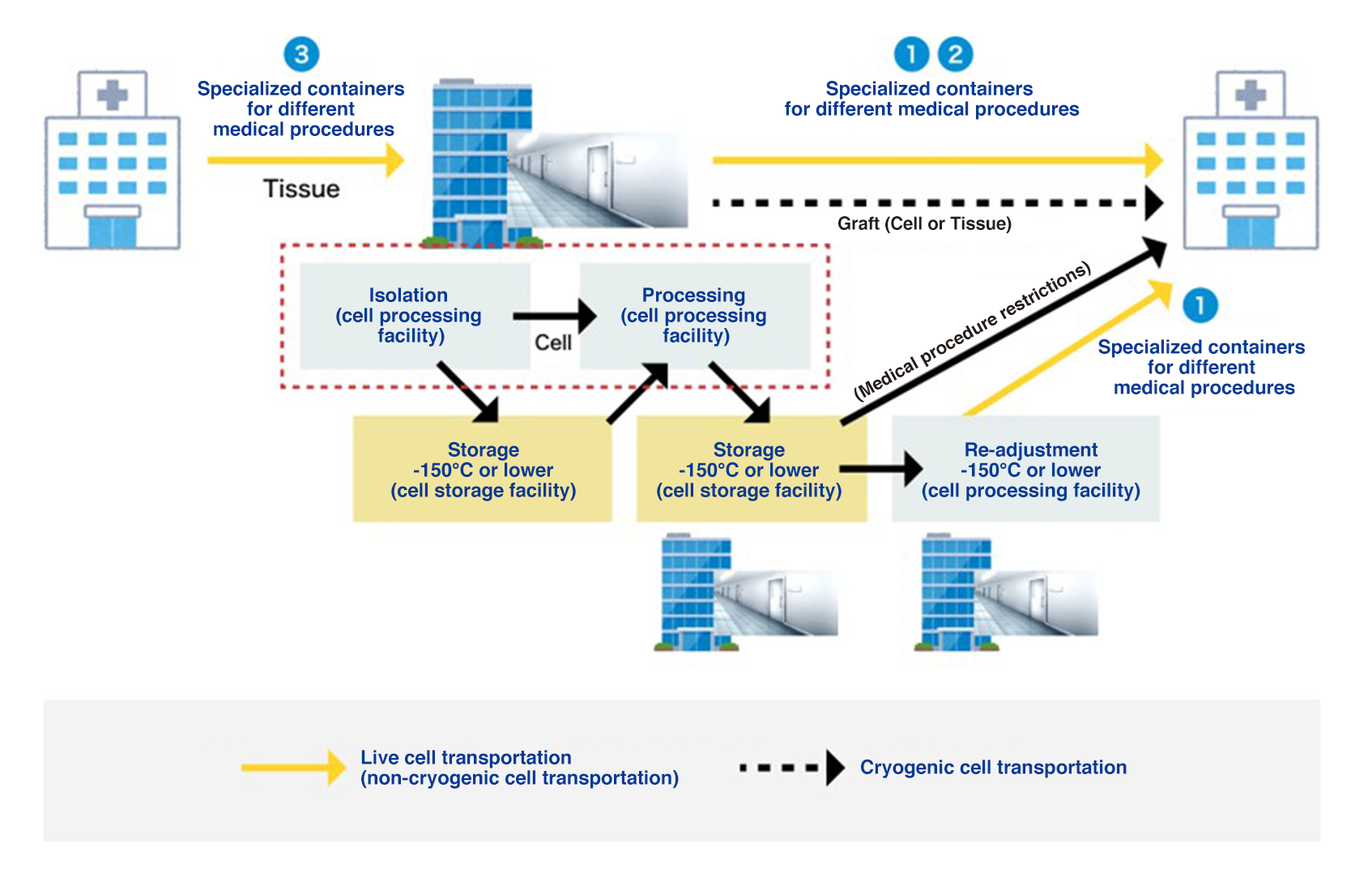

The solution to these is iP-TEC®’s Live Cell Transport Products
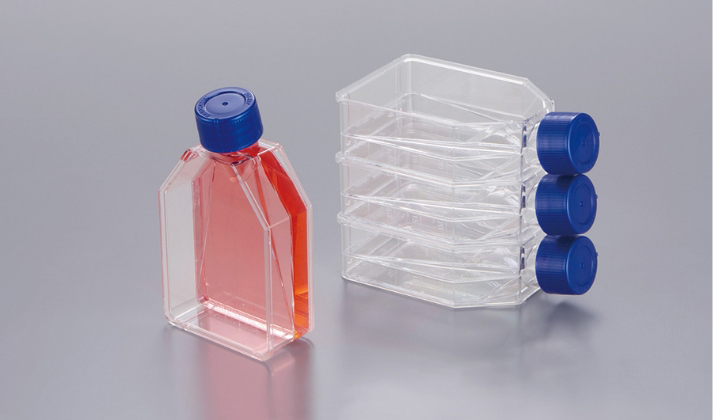
Primary containers
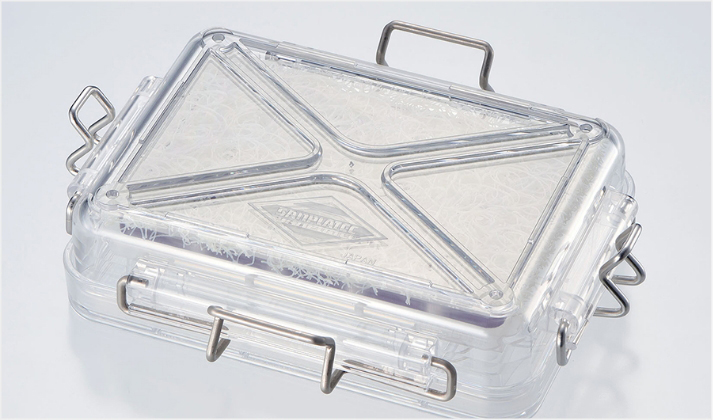
Secondary containers
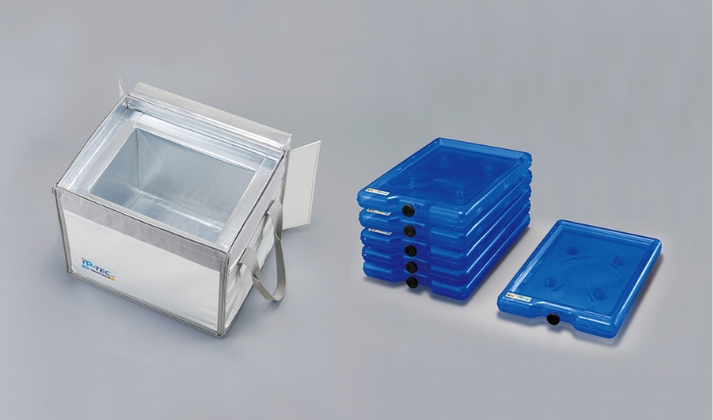
Tertiary containers